High-Efficiency & Inverter AC Systems for Florida Homes
Florida homeowners rely heavily on air conditioning to manage hot temperatures and indoor humidity. If you’re considering a new system, high-efficiency and variable-speed inverter technology may be worth exploring.
All Brevard Air & Heat helps homeowners in Brevard County understand air conditioning options and the factors involved in selecting a system for their homes.
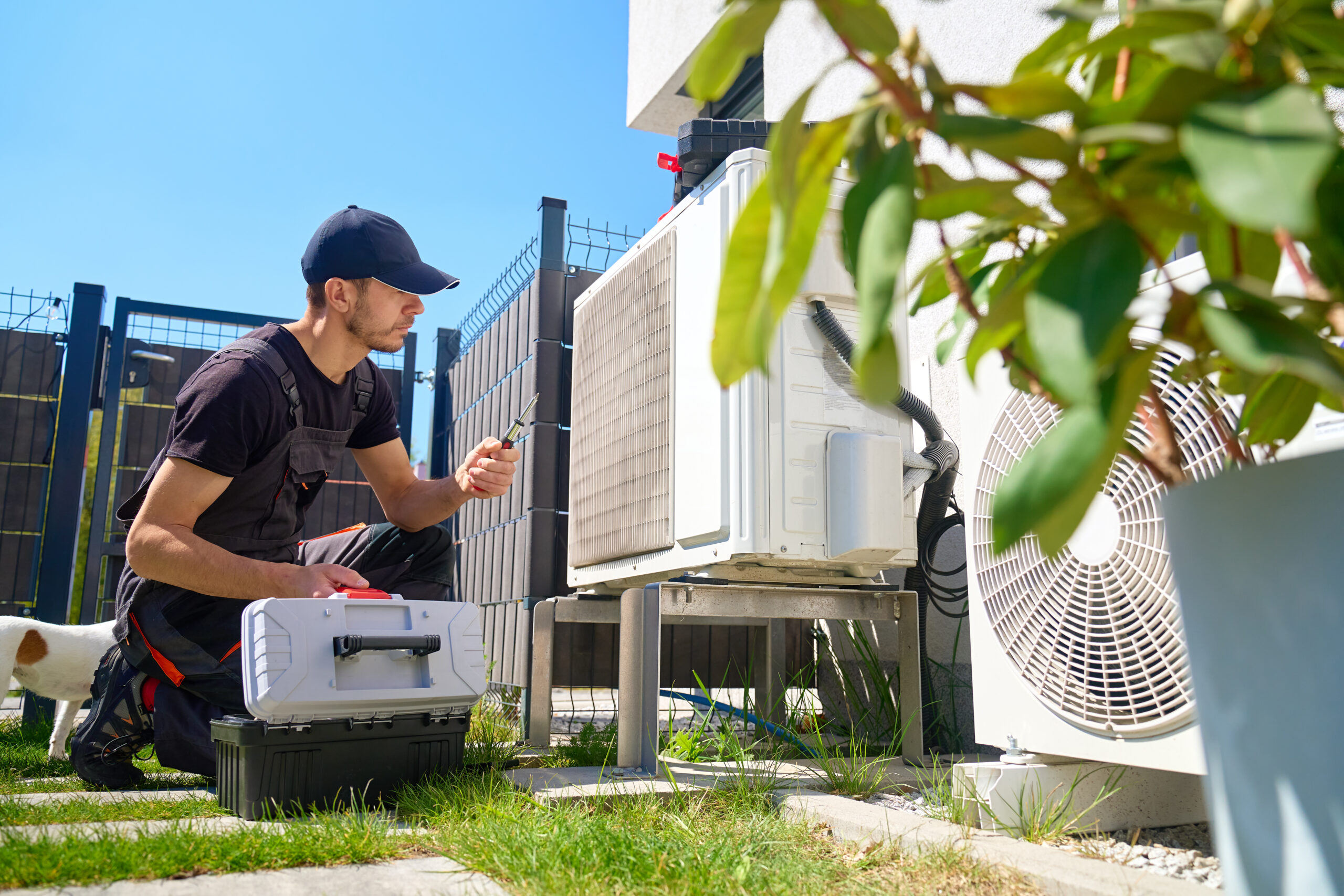
What Is an Inverter Air Conditioner?
Many traditional air conditioners operate their compressors at a relatively fixed speed, switching on and off as cooling is needed. Inverter-driven systems can adjust compressor speed to match changing cooling demand.
Rather than always operating at full output, a variable-speed system can run at a lower capacity when conditions allow.
Depending on the equipment, home and installation, this may help provide:
-
More consistent indoor temperatures
-
Longer, lower-output operating cycles
-
Potential improvements in humidity management
-
Reduced temperature swings
-
Opportunities for lower energy consumption
-
Quieter operation at reduced capacity
These benefits are not guaranteed in every home. Actual performance depends on equipment design, proper sizing, installation quality, ductwork and operating conditions.
Why Efficiency Matters in Brevard County
Air conditioners in coastal Central Florida may run frequently during hot and humid weather. Equipment efficiency can therefore be an important consideration when replacing an older system.
Efficiency ratings provide a standardized way to compare equipment, but the highest rating does not automatically mean the lowest total cost for every household.
Consider the initial equipment price, estimated energy consumption, installation costs, maintenance requirements and expected usage.
A qualified contractor can help you compare options using your home’s cooling requirements rather than relying on ratings alone.
What Is a Side-Discharge AC System?
Some high-efficiency systems use outdoor units with a compact, side-discharge design rather than the familiar top-discharge configuration.
Depending on the model, this design may offer installation flexibility in tighter spaces. However, required clearances, airflow and access for service must still be maintained.
The correct choice depends on the property, equipment specifications and installation requirements.
Is an Inverter System Right for Your Home?
An inverter system may be worth evaluating if you’re replacing an older air conditioner, looking for improved temperature consistency or interested in advanced cooling technology.
During the selection process, consider the home’s ductwork, insulation, cooling load, electrical requirements, budget and expected usage.
The goal is to choose a system that meets your home’s needs—not simply the system with the most features.
Explore High-Efficiency AC Options
All Brevard Air & Heat serves homeowners throughout Brevard County, including Cocoa, Merritt Island, Rockledge, Melbourne, Palm Bay, Titusville, Viera and nearby areas.
Ask about available high-efficiency, variable-speed and inverter equipment options, including whether specific models are suitable for your property.
Interested in inverter AC technology? Call 321-634-2659 to discuss your options.
Frequently Asked Questions
Can an inverter AC lower my electric bill?
It may use less electricity under suitable conditions, but savings depend on the system selected, existing equipment, home characteristics, installation and operating habits.
Does inverter AC control humidity better?
Variable-speed operation can support longer operating cycles that may help remove moisture, provided the equipment is properly selected and installed. Results depend on conditions in the home.
Are inverter systems more expensive?
Initial prices vary by manufacturer, capacity, features and installation requirements. Compare the total cost and expected operating performance rather than the equipment price alone.
What is a side-discharge air conditioner?
It is an outdoor unit that discharges air horizontally rather than upward. Installation clearances and equipment specifications still need to be followed.