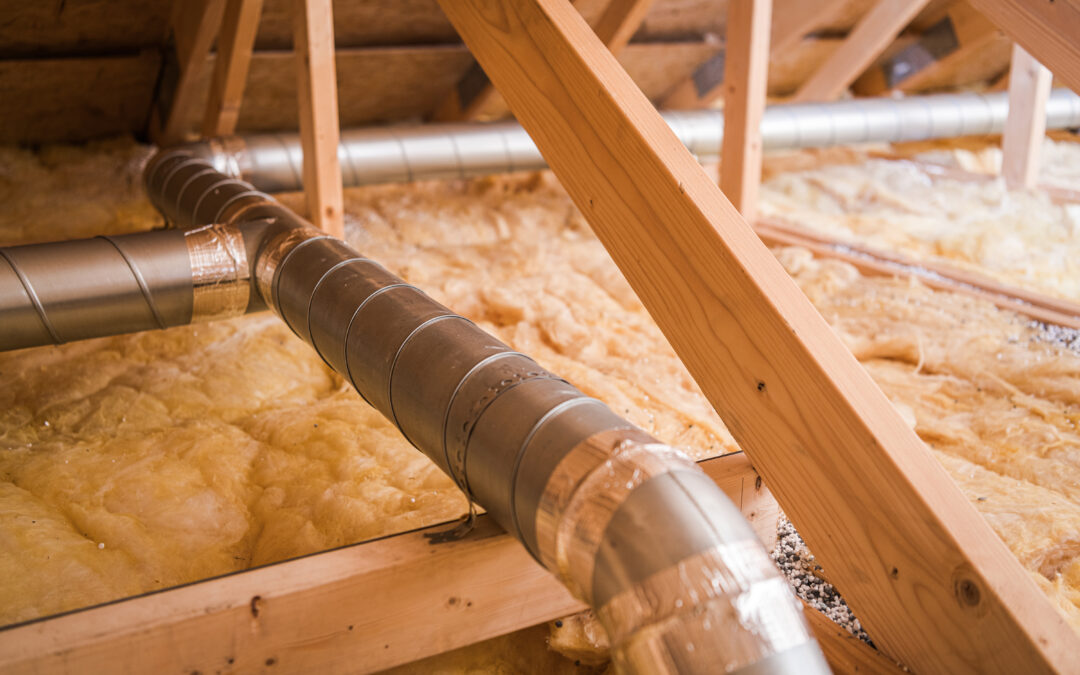
Florida homeowners rely on their air conditioning systems to stay comfortable through long, hot summers. However, even a well-maintained AC system can struggle when ductwork isn’t properly insulated.
Your HVAC ducts carry cooled air throughout your home. When those ducts pass through hot attics or other unconditioned spaces, they can absorb heat before the air reaches your rooms. This makes maintaining comfortable temperatures more difficult.
At All Brevard Air & Heat, we help homeowners throughout Brevard County understand what affects their HVAC performance. Here’s why duct insulation matters and how to recognize potential problems.
Why Is Duct Insulation Important in Florida?
Duct insulation creates a protective barrier around your HVAC ductwork. Its primary purpose is to reduce heat transfer between the air inside the ducts and the surrounding environment.
In Florida, attic temperatures can climb well above outdoor temperatures during summer. Without adequate insulation, cooled air traveling through attic ductwork can gain heat before reaching your living spaces.
This can cause your air conditioner to run longer, increase energy consumption, and create uneven indoor temperatures. Proper insulation helps preserve the temperature of conditioned air as it travels from your HVAC equipment to your vents.
How Does Heat Transfer Affect HVAC Efficiency?
Heat naturally moves from warmer areas toward cooler ones. During Florida’s summer months, heat from a hot attic can transfer through duct surfaces into the cooled air inside. This process is called heat gain.
When ductwork lacks adequate insulation, air reaching your rooms may be warmer than intended. Your AC system must work harder to maintain your desired indoor temperature. Over time, this can contribute to higher energy bills and longer cooling cycles.
Insulated ductwork reduces unwanted heat transfer, helping your HVAC system deliver cooled air more efficiently. However, insulation is only part of the equation. Properly sealed ducts are equally important because air leaks can waste conditioned air before it reaches your rooms.
How Does Duct Insulation Help Prevent Condensation?
Florida’s humidity creates another challenge for HVAC ductwork: condensation. When warm, humid air contacts a cold surface, moisture can form. This is similar to the water droplets that appear on a cold drink.
Poorly insulated ducts can develop condensation when their exterior surfaces become cold enough. Over time, excess moisture can damage nearby insulation, ceilings, or building materials.
Proper duct insulation helps keep exterior duct surfaces warmer, reducing condensation risks. An intact vapor barrier also prevents humid air from reaching colder surfaces within the insulation. Damaged insulation or gaps in the vapor barrier can increase moisture problems, especially in humid attic spaces.
Signs Your Duct Insulation May Be Damaged
Duct insulation can deteriorate due to age, moisture exposure, physical damage, or improper installation.
Several warning signs may indicate your ductwork needs professional attention.
- Uneven indoor temperatures: Certain rooms may remain warmer because cooled air gains heat before reaching those spaces.
- Higher energy bills: Unexpected increases in cooling costs may indicate energy losses within your ductwork.
- Visible condensation: Moisture around ductwork may indicate inadequate insulation, damaged vapor barriers, or other HVAC problems.
- Damaged insulation: Torn, compressed, loose, or missing insulation can reduce its effectiveness.
- Longer cooling cycles: Your air conditioner may run longer to compensate for unwanted heat gain.
These symptoms can also result from other HVAC issues. A professional inspection can help identify the underlying cause.
What Happens When Duct Insulation Is Inadequate?
Inadequate insulation affects more than monthly energy bills. When conditioned air gains heat inside ductwork, your HVAC system may struggle to maintain consistent temperatures throughout your home.
This can create uncomfortable areas, particularly in rooms farther from the air handler.
Additional cooling demand may also increase equipment operating time. In some cases, damaged insulation allows moisture to accumulate around duct surfaces, potentially affecting nearby building materials.
Addressing insulation problems helps protect your ductwork while supporting consistent HVAC performance.
Can Improving Duct Insulation Lower Energy Costs?
Improving duct insulation can reduce energy losses, especially when ductwork runs through hot, unconditioned attics. According to the U.S. Department of Energy, insulating ducts in unconditioned spaces can improve heating and cooling efficiency.
However, potential savings depend on existing insulation, duct placement, air leakage, and overall HVAC system condition. A professional HVAC technician can determine whether your ductwork needs additional insulation, repairs, or improved sealing.
Combining proper insulation with sealed duct connections helps your system deliver conditioned air more effectively.
Keep Your Florida Home Comfortable With Proper Duct Insulation
Your HVAC system works hard during Florida’s hottest months. Proper duct insulation helps limit heat gain, reduce condensation risks, and support efficient cooling. If you’ve noticed uneven temperatures, rising energy bills, or damaged insulation, your ductwork may need attention.
At All Brevard Air & Heat, we help homeowners throughout Brevard County maintain reliable, efficient cooling systems. Contact All Brevard Air & Heat to discuss your HVAC concerns and learn how professional ductwork services can improve your home’s comfort.